


No More Bugs
Professional Grub & Insect Control
Safe, Effective Solutions
It’s a warm summer morning in Breese, IL, and you step outside to admire your lawn—only to notice brown patches spreading across what was once thick, healthy turf. Beneath the surface, grubs and other turf-feeding insects may already be damaging roots. By the time symptoms appear, the injury is often well underway.
At Emerald Edge Lawns, we believe in preventing insect damage — not reacting after it’s too late. With over 30 years of professional turf management experience, owner Chris Hilmes brings a proactive, science-based approach to residential lawns across Breese, Highland, Carlyle, Trenton, New Baden, Germantown, Aviston, and all of Clinton County, IL.
Our targeted insect control programs are carefully timed to interrupt pest life cycles before they cause root destruction. Instead of waiting for visible damage, we apply preventative treatments that protect your turf from grubs, Japanese beetles, fall armyworms, and other seasonal threats common in Southern Illinois’ moist, organic-rich soils.
It’s not about rescuing a damaged lawn — it’s about keeping it healthy in the first place. If you’re unsure whether your lawn is protected, schedule a free inspection and we’ll evaluate conditions before problems take hold.
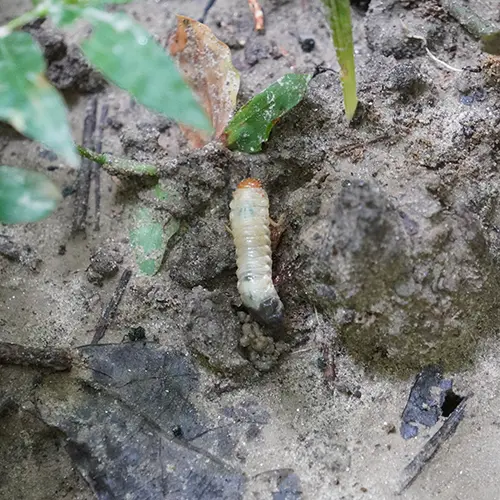
White Grubs
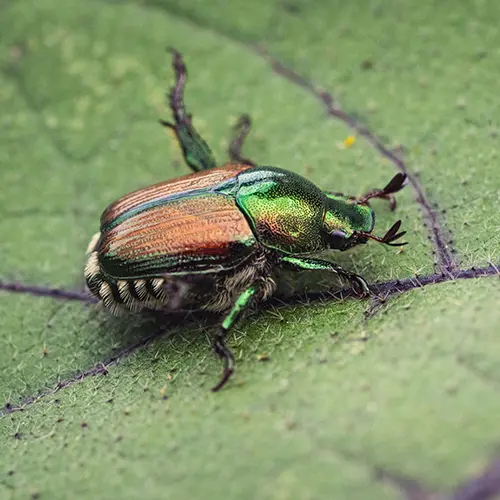
Japanese Beetles
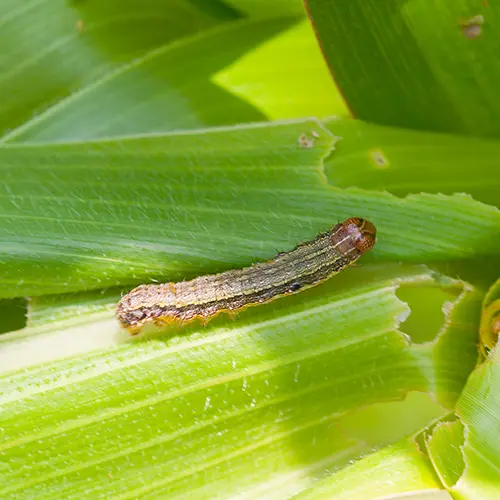
Fall Armyworms
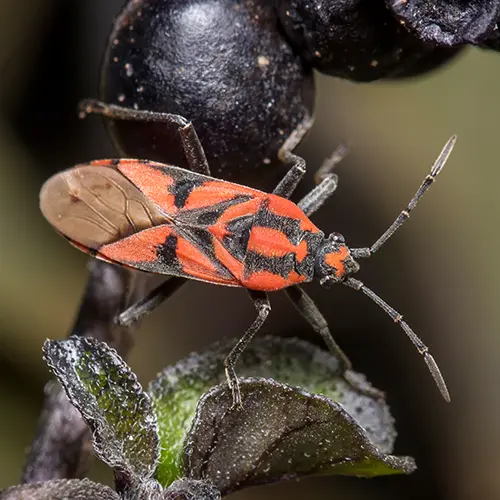
Chinch Bugs
Why Grubs and Insects Invade Lawns in Southern Illinois
Grubs don’t just appear out of nowhere; they’re opportunistic survivors that capitalize on the very conditions that make your lawn inviting. In areas like Clinton County, where clay-heavy soils retain moisture and organic matter builds up from fallen leaves and summer rains, these pests find the perfect breeding ground.
Prevention isn’t about eliminating all attractors but understanding them—practices like balanced mowing and soil aeration can subtly shift the odds in your favor, reducing the appeal without harsh interventions.
- Healthy, irrigated turf: Adult beetles prefer moist, well-maintained lawns for egg-laying.
- Organic-rich soil: Provides ample food for grubs feeding on roots and decaying matter.
- Moist conditions: Common after irrigation or storms in our region.
- Nearby food sources: Trees, gardens, or unkempt areas draw adults, leading to nearby infestations.
By addressing these factors early, you can break the cycle before damage escalates, turning potential disasters into manageable maintenance.
Japanese Beetle Life Cycle
The Japanese beetle’s life cycle is a year-long saga of transformation and destruction, perfectly adapted to Midwest climates like ours in Illinois. Starting in the heat of July and August, females burrow into the damp soil—often just 2-4 inches deep—to deposit clutches of 40-60 eggs, hatching in under two weeks.
As fall approaches, these creamy-white, C-shaped grubs begin their voracious feeding near the surface, only to retreat deeper into the earth as winter chills set in, surviving temperatures that would doom less hardy pests.
Come spring, when soil warms to around 50°F, they ascend for a final feeding frenzy before pupating in May or June. Emerging as iridescent adults in late June, they ravage foliage, mate, and perpetuate the invasion—each female’s chemical signals drawing more to the feast.
In Breese-area lawns, this cycle can turn a minor sighting into a full-blown infestation if unchecked, as we’ve witnessed in local outbreaks that left yards spongy and bare. Understanding this timeline empowers proactive action, aligning treatments with peak vulnerabilities for maximum impact.
- Egg Stage (July-August): Laid in moist soil; hatch in 8-14 days.
- Grub Stage (Late Summer-Spring): Feed on roots, burrow deep in winter, resurface in spring.
- Pupal Stage (May-June): Underground transformation.
- Adult Stage (June-September): Emerge, feed, mate—peak in July for Illinois.
Fall Armyworms and Other Pests
While grubs wage war from below, fall armyworms strike from above, turning lush blades into ragged remnants overnight. These caterpillars, offspring of migratory moths that sweep north in spring, thrive in the warm, humid aftermath of Illinois storms—conditions all too familiar in Clinton County.
Unlike grubs’ slow erosion, armyworms demand swift response, but both underscore the need for comprehensive protection against Southern Illinois’ diverse threats.
- White Grubs (Japanese beetles, etc.): Root feeders causing brown, spongy patches.
- Japanese Beetles: Adults skeletonize plants, spreading rapidly.
- Fall Armyworms: Blade damage in late summer/fall.
- Others (e.g., Chinch Bugs): Vary by wet/dry conditions.
Signs of Infestation
Spotting the early warnings can mean the difference between a quick fix and a total lawn overhaul. In our experience, homeowners often overlook subtle clues until wildlife intervenes—think skunks tearing up turf in search of a grub buffet.
Signs of Infestation
Our process isn’t a one-size-fits-all spray; it’s a tailored strategy born from decades of hands-on expertise, ensuring precision and sustainability.
- Free On-Site Inspection: Identify pest type and density.
- Preventive Summer Application: Eco-conscious, rotated actives to protect pollinators.
- Curative Treatments: For active damage, like armyworm outbreaks.
- Beneficial Protection: Minimize impact on ladybugs and predatory mites.
- Follow-Up: Ongoing monitoring with our satisfaction guarantee.
Benefits of Professional Pest Management
Choosing professional help goes beyond elimination—it’s about restoring peace of mind and long-term resilience. Families in Trenton have shared stories of pet-safe lawns revived just in time for backyard gatherings, free from the worry of chemical overkill or recurring invasions.
Prevents root and blade loss for even, durable turf.
- Safe for kids and pets once dry.
- Sustainable: Aligns with eco-trends using low-impact methods.
- Avoids costly escalations like dead zones or full renovations.
Prevention Tips for Clinton County Homeowners
In the heart of Southern Illinois, where summers bring both beauty and bugs, simple habits can fortify your defenses. We’ve advised countless Metro East residents on integrating these into daily routines, transforming vulnerable yards into pest-resistant havens.
- Mow at 3-3.5 inches to shade soil and deter egg-laying.
- Avoid overwatering, especially in humid conditions.
- Build soil health—pair with our turf and soil management services.
- Monitor pests in peak seasons.
Why Choose Emerald Edge Lawns?
Chris Hilmes isn’t just the owner — he’s a certified turf specialist with an Illinois Pesticide Applicator License and over 30 years of hands-on turf management experience. Our programs are built on proven, science-based practices and real-world results across the region.
We stand behind our work with a 100% satisfaction guarantee, supported by documented lawn transformations and real customer success stories.
Mosquito Control for Metro East, IL
Mosquito Season in Southern Illinois: Why It’s Different Here
If you’ve stepped onto your patio at dusk and been swarmed within seconds, you already know the problem. Clinton County’s humid summers and abundant standing water after summer storms create ideal breeding conditions for mosquitoes — and by the time you’re noticing bites, they’ve likely already established breeding sites around your property.
Most homeowners reach for a can of spray or a citronella candle. Those offer relief for an evening, not a solution for a season. At Emerald Edge Lawns, we treat mosquito control the way we treat every pest problem — by disrupting the life cycle, not just knocking down what’s currently flying.
Signs Your Yard Is a Mosquito Breeding Ground
- Standing water in gutters, low spots, or plant saucers after rain
- Dense, shaded landscaping near the house or patio
- Increased mosquito activity in early morning or dusk hours
- Bites even a few minutes after stepping outside
Our 6-Step Mosquito Control Program
Built specifically for Midwest summers, our program starts at the right time and keeps working all season long:
- Property Inspection – We identify breeding sites and problem areas specific to your yard.
- Perfectly Timed Start – Treatment begins as mosquito activity ramps up, not after it’s already out of hand.
- Barrier Treatments – Applied to vegetation, shaded areas, and resting spots to kill and repel adult mosquitoes on contact.
- Mosquito Bait Stations – Placed strategically around your property to stop reproduction at the source.
- Treatments Every 4 Weeks – Consistent scheduling keeps protection active through peak season.
- Ongoing Monitoring – We adjust as conditions change throughout the summer.
Is mosquito control safe for my kids and pets?
Yes — our barrier treatments and bait stations are applied using targeted, low-impact methods safe for family yards once dry, the same standard we hold for all of our lawn and pest programs. We focus applications on resting and breeding areas like shaded vegetation and standing water, minimizing exposure in the open spaces where your family and pets actually spend time.
What makes mosquito bait stations different from regular spraying?
Barrier sprays kill adult mosquitoes on contact but don’t address the ones still developing or the ones living in your neighbors lawn. Mosquito bait stations placed around your property target breeding cycle directly, stopping reproduction at the source. Pairing both methods is why Metro East yards on our program see fewer mosquitoes immediately and a noticeably lighter population later in the season, compared to spray-only treatments.
Spray Alone Isn’t Enough — Here’s Why Most mosquito treatments only spray. We do more.
A barrier spray kills what’s currently in your yard — but it does nothing to stop the next generation from hatching or the ones living in the trees 2 houses down the street. That’s why yards treated with spray-only programs often see mosquitoes bounce back within days.
Our approach combines two layers of protection:
- Barrier treatments to kill and repel adult mosquitoes
- Mosquito bait stations that interrupt breeding and reproduction
The result: fewer mosquitoes now, and significantly fewer as the season goes on. If you’ve tried mosquito control before and weren’t impressed, a spray-only approach is usually why.
When should mosquito control start in Clinton County?
Timing matters more than most homeowners realize. Mosquitoes begin breeding as soon as soil and standing water warm in late spring, so by the time you’re noticing bites in your yard, breeding sites are often already established. Starting your program early — rather than waiting until activity peaks in July — gives barrier treatments and bait stations time to get ahead of the population instead of chasing it.
Why Choose Emerald Edge Lawns
Backed by 30+ years of turf and pest management experience and an Illinois Pesticide Applicator License, our mosquito program is built on the same science-based, proactive philosophy as our lawn care services and not the less effective and cheaper products — timed to interrupt pests before they become a problem, not after. Don’t wait until your yard is unusable.
FAQ
Are your insect control methods safe for beneficial insects?
Emerald Edge Lawns’ insect control prioritizes safety for beneficial insects like ladybugs and pollinators in Metro East yards. We use targeted, low-dose actives rotated to prevent resistance, applied only when are met. Our eco-conscious formulas minimize impact on non-target species, preserving Illinois’ natural balance for effective grub and armyworm management.
Can lawn insect control be combined with other lawn care services?
Yes. Emerald Edge Lawns includes preventative insect control as part of a complete lawn health strategy. We apply a premium, season-long insecticide in the spring that protects against both root-feeding pests like grubs and surface-feeding insects like armyworms before they can damage your lawn. This treatment works seamlessly with our fertilization and weed control program, providing long-lasting protection while promoting a healthier, more resilient lawn throughout the growing season.