
Tired of weeds overtaking your lawn? At Emerald Edge Lawns, we provide targeted weed prevention and control services throughout Breese, Carlyle, Highland, Trenton, New Baden, Germantown, Aviston, and all of Clinton County, IL. Backed by over 30 years of professional turf experience—from golf courses to professional stadium fields—we use proven, safe, and effective treatments designed specifically for Southern Illinois cool-season lawns. Our goal isn’t just to eliminate weeds—it’s to build thicker, healthier turf that naturally resists future weed pressure.
Common Weeds in Clinton County IL and Southern Illinois
Southern and Central Illinois lawns, with their clay-heavy soils and humid conditions, commonly face:
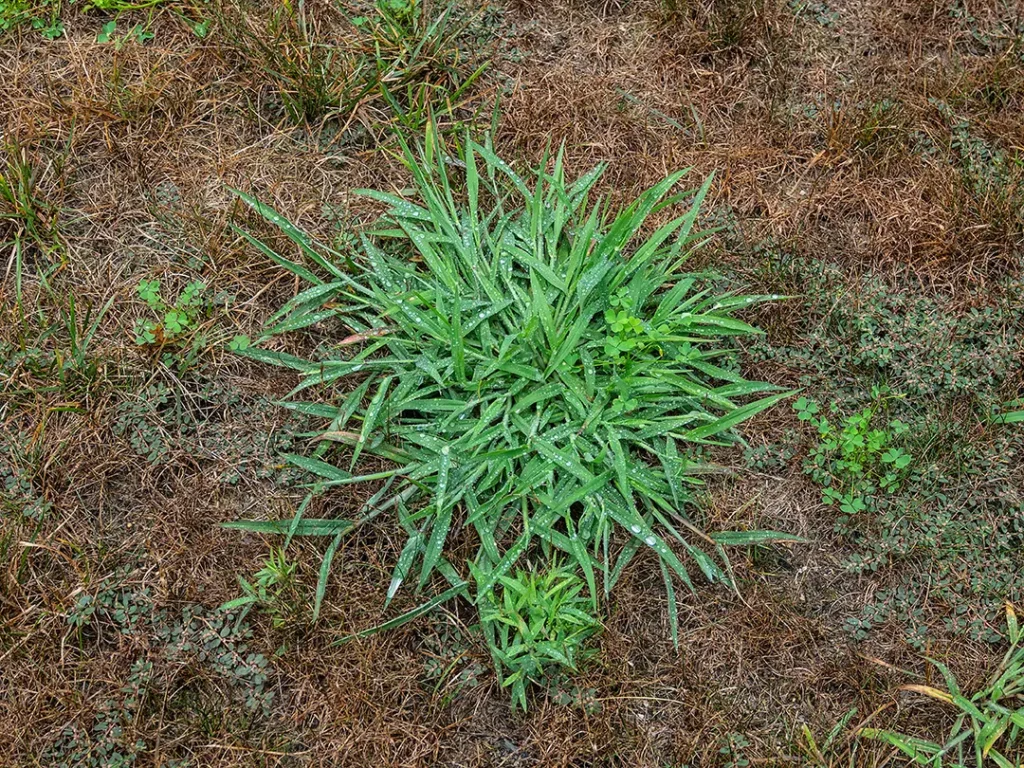
Crabgrass: Annual grassy weed thriving in thin or compacted areas.
Dandelions: Perennial broadleaf with deep taproots.
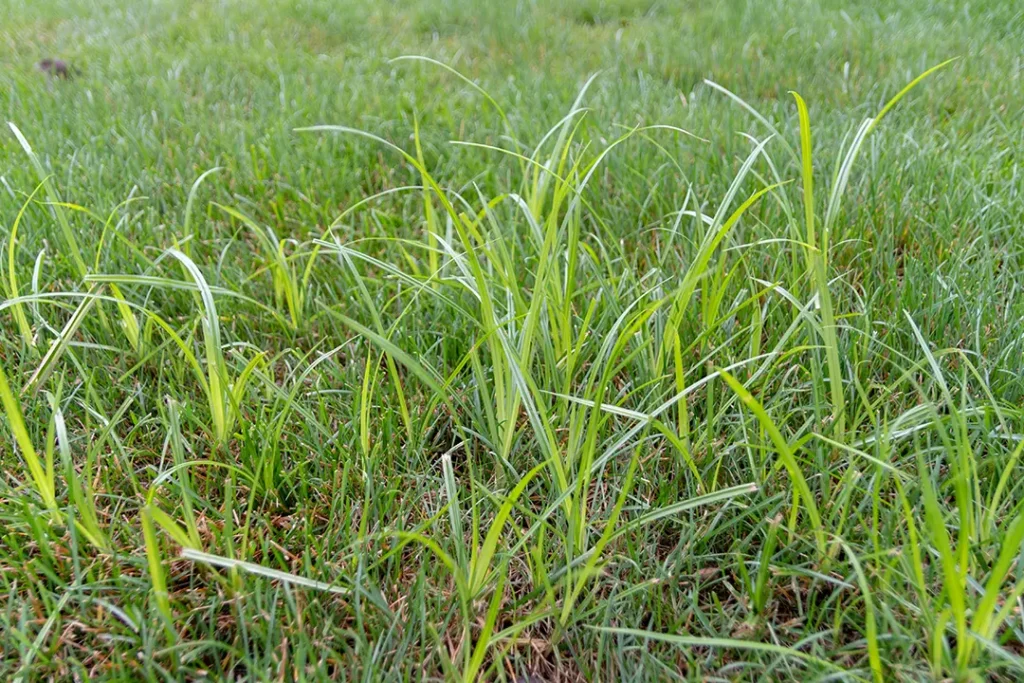
Yellow nutsedge: Perennial sedge in wet spots, triangular stems, lime-green leaves.
Wild violet: Tough perennial broadleaf with heart-shaped leaves and purple flowers, often spreading in shady or moist areas.
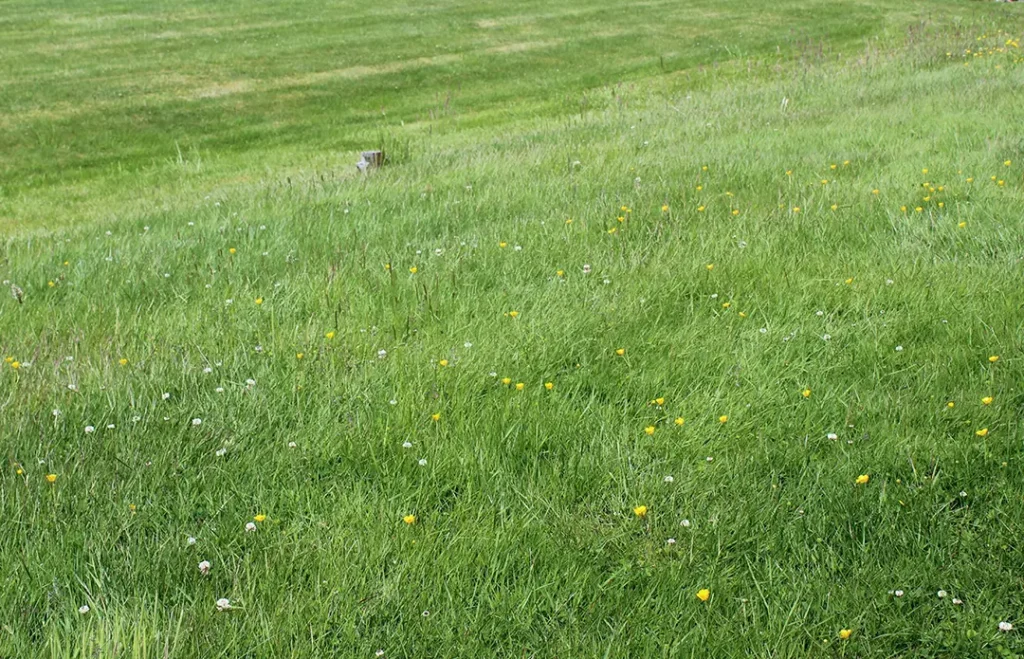
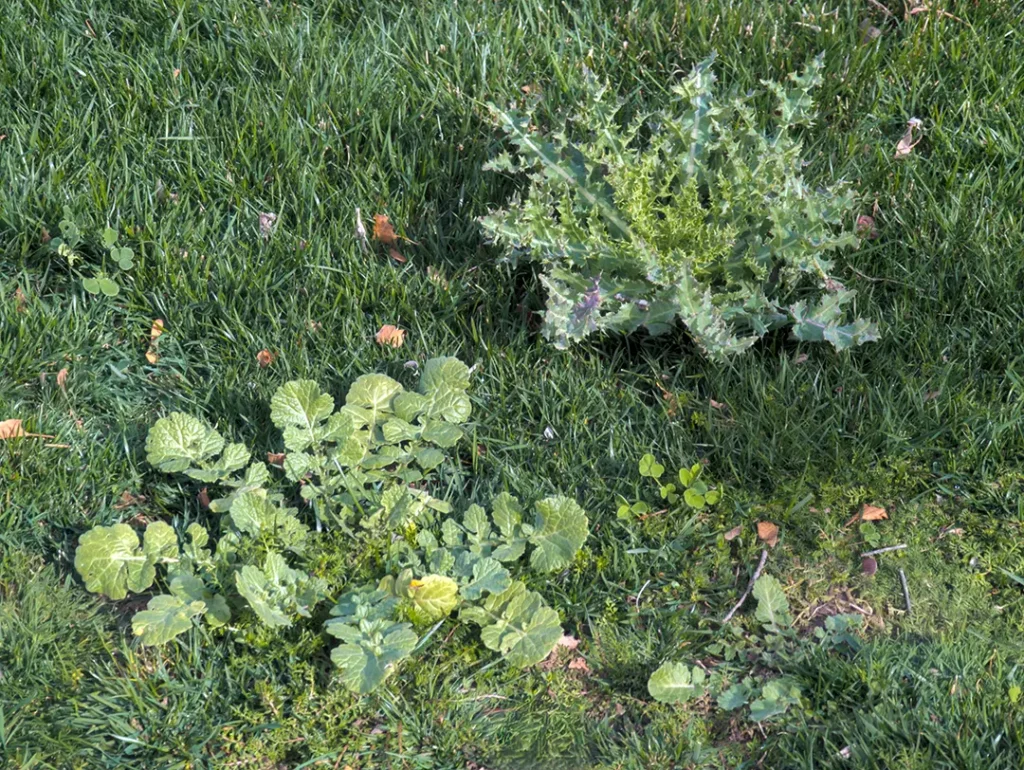
Chickweed, henbit, spurge, clover, and plantain: Broadleaf weeds competing for nutrients.
These weeds often signal underlying issues like soil compaction, poor drainage, or nutrient imbalance—problems we address at the root to restore thicker, healthier turf.
1. Free Lawn Assessment:
We inspect your yard to identify weeds, soil conditions, and underlying causes.
2. Spring Pre-Emergent Weed Control:
Apply slow-release fertilizer plus selective pre-emergent herbicide to stop crabgrass, goosegrass, henbit, chickweed, and spurge before germination—providing season-long protection with minimal chemicals.
3. Late Spring/Summer Post-Emergent Weed Control:
Precise liquid spot treatments eliminate emerged broadleaf weeds like dandelions, clover, and plantain without damaging turf.
4. Nutsedge Treatment:
Selective herbicides target deep roots (8-14 inches) in wet-prone spots, often with a follow-up visit for full eradication.
Benefits of Professional Weed Control
- Reduced weed competition for water and nutrients allows turf to grow thicker and denser—creating a strong, natural defense against future weeds.
- Pet- and kid-safe applications once dry for peace of mind.
- Eco-conscious, targeted treatments that reduce runoff and limit unnecessary chemical use.
- Designed to break the weed production cycle and prevent future infestations.
- Healthier, denser turf that naturally crowds out new weeds over time.
Treated
Untreated
Why Choose Emerald Edge Lawns?
Chris Hilmes and his team of expert technicians deliver meticulous, personalized lawn care backed by over 30 years of professional turf experience. We combine proven expertise with some of the newest, highest-quality lawn care products and technology available to achieve superior, consistent results. Our work is backed by a satisfaction guarantee—if your lawn doesn’t thrive, we make it right. Don’t just take our word for it—read our 5-star Google reviews from local homeowners who’ve seen the difference firsthand.
Pairing Services for Best Results
Weeds are often a symptom of deeper nutrient or soil issues. For optimal results, pair weed control with our professional lawn fertilization, core aeration, and pre-emergent treatments. A properly timed pre-emergent application is one of the most effective ways to stop annual weeds before they ever germinate—helping break the weed cycle and protect your lawn all season long.
Most homeowners focus on weed control in the spring, but many of the weeds that flower in spring—like dandelions and clover—actually germinate in the fall. That’s why late-season treatments can be extremely effective, targeting weeds at a critical stage and preventing heavy outbreaks the following year.
Get a Weed-Free Lawn This Season
Stop weeds from stealing your yard’s beauty in Clinton County and surrounding areas. Schedule your FREE, no-obligation lawn assessment today. Call (618) 322-1370.
How can I prevent weeds naturally in my turf living in the St. Louis area?
At Emerald Edge Lawns, it starts from the ground up. Healthy Soil = Healthy Lawn.
In the St. Louis region and throughout Southern Illinois, heavy clay soils and humid conditions can create compaction and nutrient imbalances—two major contributors to weed pressure. When soil is healthy and balanced, your turf grows thicker, deeper roots and naturally crowds out weeds before they ever take hold.
Here’s how we focus on natural weed prevention:
- Soil health first – Core aeration reduces compaction and improves oxygen flow, water movement, and root development.
- Balanced fertilization – Supplying the right nutrients at the right time strengthens turf density without excessive growth.
- Proper mowing height – Maintaining cool-season grasses at 3–4 inches shades the soil and limits weed seed germination.
- Overseeding thin areas – Filling bare spots eliminates the open space weeds need to establish.
- Smart watering practices – Deep, infrequent watering encourages strong root systems.
Many weeds that appear in spring actually germinate in the fall, so building soil health and turf density late in the season is critical for long-term control.
When your soil is thriving, your lawn becomes its own best defense—thick, resilient, and naturally resistant to weeds.
FAQ
Are your weed control treatments safe around kids and pets?
At Emerald Edge Lawns, all our weed control products are selected for safety alongside effectiveness. We use low-impact, selective herbicides that target weeds without harming grass, and they’re formulated to be pet- and child-safe once dry—typically within 1-2 hours after application. Our certified applicators follow strict guidelines, applying only as needed to minimize exposure, and we always notify you post-service for added peace of mind.
How can I prevent weeds naturally in my turf living in the St Louis area?
Preventing weeds naturally in the St Louis Metro East area’s humid, clay-heavy soils starts with building a dense, healthy turf that crowds them out. Maintain mowing height at 3-3.5 inches to shade soil and deter germination, especially for crabgrass common in our region, and incorporate clover or native groundcovers like fine fescue blends to fix nitrogen and compete with invaders. Add organic mulch or compost topdressing (1/4 inch annually) to improve soil structure and retain moisture without overwatering, reducing wet spots where nutsedge thrives.